
What is the Difference Between Capsules vs. Tablets?
Introduction
Most consumers rarely pause to consider whether their daily supplement comes as a capsule or a tablet. For the people developing that product, however, this seemingly small choice can have a bigger impact than expected. It can influence manufacturing costs, ingredient compatibility, stability, dosage, and even how the finished product is presented to consumers.
This guide breaks down the key differences between capsules vs tablets, from how they are made and absorbed to their size, stability, customisation, cost, and allergen considerations, helping you make a more informed decision during product development.
What Is a Capsule?

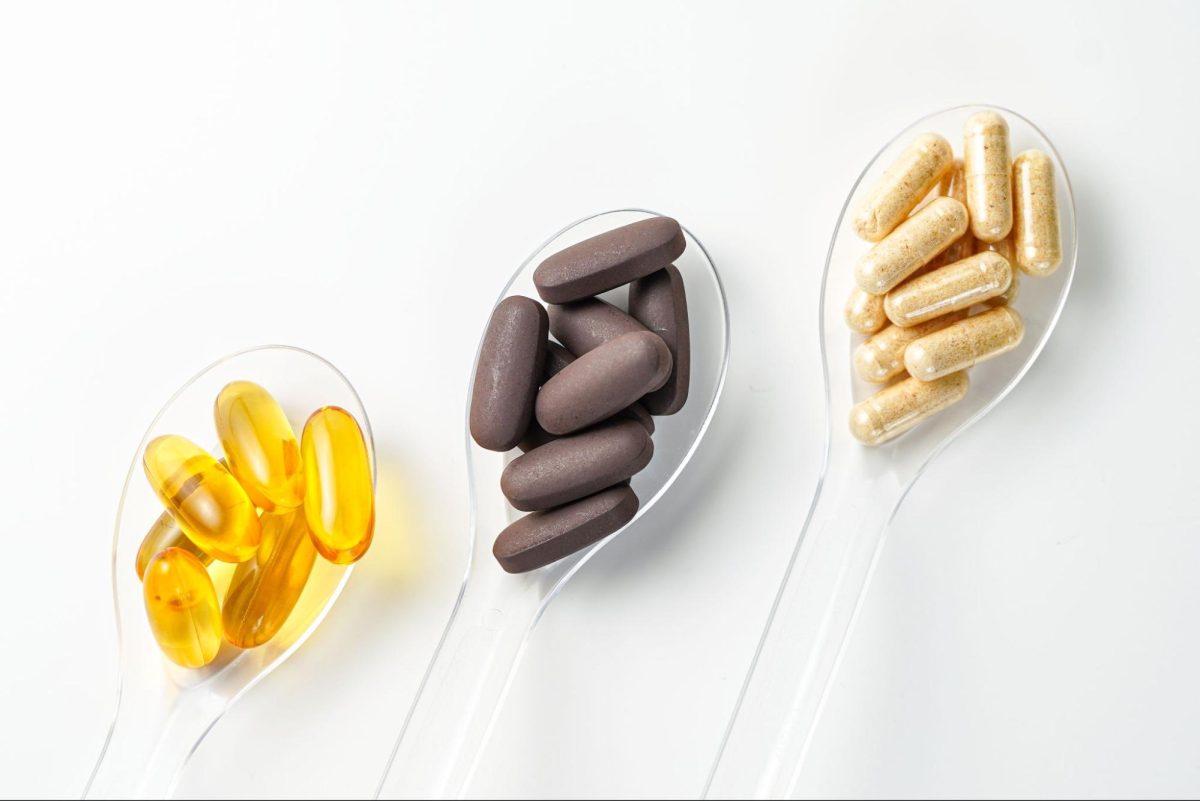
A capsule is a type of oral dosage form that puts the active ingredients inside a dissolvable shell. The shell is commonly made from gelatin, although alternatives such as hypromellose (HPMC) are also available.
The ingredients inside a capsule can vary depending on the product. They may come in the form of powders, granules, pellets, or mini-tablets, while some can also hold liquid or oil-based formulations. Capsules can also be designed for different release profiles to control where or when the active ingredient is released within the body.
Common Types of Capsules
- Hard capsules: Two-piece shells typically filled with powders, granules, pellets, or mini-tablets, which are suitable for vitamins, minerals, pharmaceuticals, and nutraceuticals.
- Soft capsules: Flexible, one-piece shells filled with liquids or semisolid formulations, which are suitable for oil-based and liquid ingredients.
- Enteric-coated capsules: Designed to resist stomach acid and release their contents further along the digestive tract, which are suitable for ingredients that require delayed release.
- Extended-release capsules: Formulated to release active ingredients gradually over a longer period, which are suitable for products requiring controlled or prolonged release.
- HPMC capsules: Made with hypromellose instead of gelatin, which are suitable for products requiring a non-animal capsule shell.
Want to know more about the different types of capsules? Visit our guide to the different types of capsules for a closer look at their materials, structures, and applications.
What Is a Tablet?
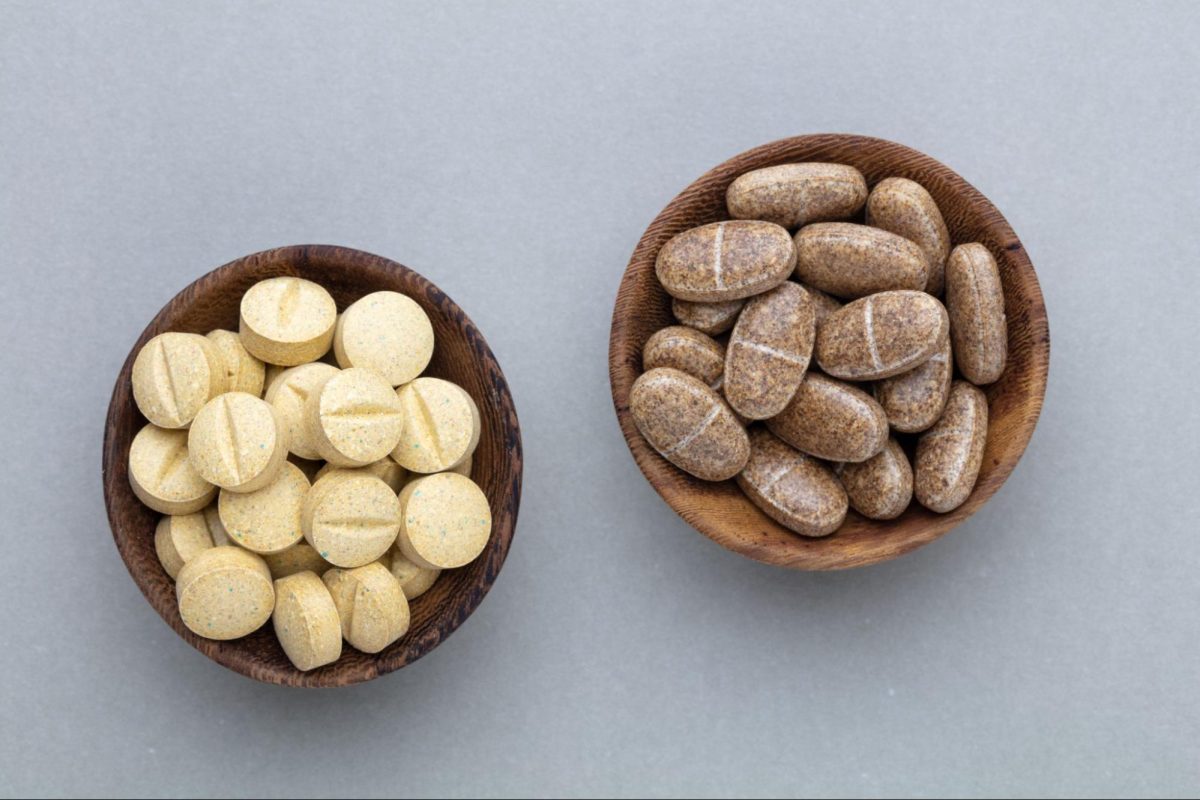
A tablet is a type of oral dosage form made by compressing active ingredients with other ingredients into a solid form. Unlike capsules, there is no separate shell—the formulation itself makes up the tablet.
Tablets come in different shapes, sizes, and types, including coated, chewable, effervescent, and extended-release options. They can also be designed to control factors such as taste, disintegration, and how the active ingredient is released.
Common Types of Tablets
- Uncoated tablets: These are compressed tablets without an additional coating layer. They are relatively straightforward to manufacture but may expose the consumer to the taste or odour of the formulation.
- Film-coated tablets: A thin polymer-based coating is applied to the tablet. Film coating can improve appearance, provide protection, and help mask taste or odour.
- Enteric-coated tablets: These tablets use a coating designed to resist the acidic stomach environment and release the active ingredient later in the gastrointestinal tract.
- Chewable tablets: Chewable tablets are designed to be chewed rather than swallowed whole. Taste, texture, and mouthfeel become particularly important formulation considerations.
- Effervescent tablets: These tablets are dissolved or dispersed in water before consumption. Their formulation generates effervescence when placed in water.
- Orally disintegrating tablets: Orally disintegrating tablets are designed to disintegrate rapidly in the mouth rather than being swallowed as an intact conventional tablet or chewed.
- Extended-release tablets: These are designed to release the active ingredient over an extended period rather than immediately.
Capsules vs Tablets: What’s the Difference?
At first glance, capsules and tablets may seem similar, but manufacturing, size, absorption, stability, cost, and allergens can all affect which dosage form is right for your product. Let’s take a closer look at each:
1. Absorption

The way an active ingredient becomes available for absorption can differ between capsules and tablets.
- Capsule Absorption
Capsule shells typically break down in the digestive tract, releasing the contents for dissolution and absorption. This can allow faster initial release in some formulations, although the actual absorption rate depends on the active ingredient and formulation.
- Tablet Absorption
Tablets first need to disintegrate into smaller particles before the active ingredient can dissolve and become available for absorption. The speed of this process depends on factors such as formulation, compression, excipients, and coating.
2. Shelf Stability

Both capsules and tablets can have good shelf stability when properly formulated and packaged. Tablets generally offer better stability and a longer shelf life than capsules, but the actual performance depends on the formulation, storage conditions, and packaging.
- Capsule Stability
Capsules can be more sensitive to temperature and humidity because the shell can exchange moisture with its surroundings.
-
- Gelatin capsules: Can become softer or tackier in high humidity and more brittle in very dry conditions.
- HPMC capsules: Generally contain less moisture and may perform better under some low-humidity conditions, although they can still be affected by environmental conditions.
- Tablet Stability
Tablets are generally more resistant to environmental conditions because their ingredients are compressed into a solid form. However, moisture, heat, oxygen, and light can still affect their chemical and physical stability. Coatings can provide additional protection for some formulations.
3. Allergens and Dietary Considerations
The ingredients used in the shell and formulation of your supplement should also match your target market’s dietary and allergen requirements.
- Capsules
Many hard and soft capsules use gelatin derived from animal sources. This can be an important consideration for products targeting consumers with specific dietary, religious, or ethical requirements. HPMC and other non-gelatin capsule materials are available as alternatives.
- Tablets
Tablets do not have a gelatin shell, but they are not automatically free from allergens or dietary concerns. Excipients may include lactose, starch derivatives, certain colourants, flavouring agents, or other ingredients that matter to specific consumers.
This is why the full formulation should be reviewed ingredient by ingredient, particularly when developing products for specific dietary requirements or markets. For products in Malaysia, the applicable NPRA requirements should also be checked based on the product category.
Capsule vs Tablet: Key Differences Summarised
| Factor | Capsules | Tablets |
| Basic structure | Active ingredients enclosed in a shell | Ingredients compressed into a solid unit |
| Common fills | Powders, granules, pellets, mini-tablets, liquids or semi-solids depending on capsule type | Powder or granules compressed into a tablet |
| Manufacturing | Shell production + filling, or softgel encapsulation | Blending/granulation + compression; coating may follow |
| Size | Standardised capsule sizes are available | Highly flexible shapes and dimensions |
| Absorption | Depends on shell, fill and formulation | Depends on compression, excipients, coating and formulation |
| Stability | Sensitive to formulation, shell and environmental conditions | Generally better, but still depends on formulation, coating and packaging |
| Customisation | Shell colour, opacity, printing and fill formulation | Shape, size, colour, coating, scoring and embossing |
| Animal-derived materials | Possible with gelatin shells | Not inherent to the tablet, but excipients may vary |
| Taste masking | Generally good due to the enclosed formulation | May require coating or other taste-masking techniques |
| Manufacturing cost | Often practical for smaller runs due to simpler setup, but depends on formulation and capsule type | Can be more cost-efficient at high production volumes, particularly when the formulation is suitable for efficient compression |
| Best suited to | Powders, pellets and certain liquid or semisolid formulations | Broad range of compressed formulations and specialised release systems |
Capsules vs. Tablets: How to Choose the Right Format for Your OEM Supplement Brand
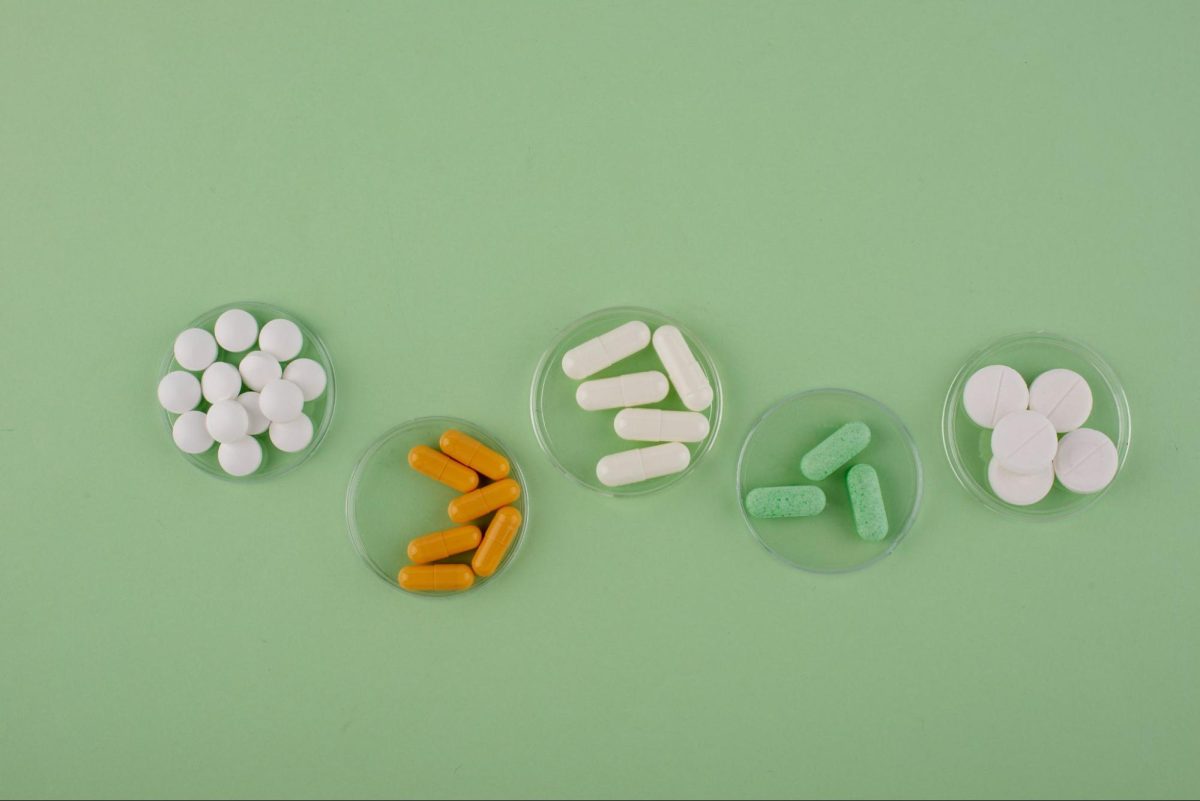
If you are planning to launch your own supplement brand, choosing the right delivery format is one of the most critical early decisions you will make with your OEM partner. The choice between a capsule and a tablet goes far beyond aesthetics—it impacts your manufacturing costs, minimum order quantities (MOQs), marketing claims, and ultimately, whether your customers buy from you again.
Before your OEM begins formulation, here are the core business and product factors you need to discuss with them to make the right choice for your brand.
1. Ingredient Capacity and “Pill Fatigue”
Your hero ingredients dictate a lot of your format options. If you are developing a complex multi-vitamin or a formula requiring a massive dose of active ingredients, you need to consider how many pills the customer has to swallow.
- Tablets can generally hold a higher volume of active ingredients (up to 1,000mg or more) in a single dose, allowing you to compress more value into one pill.
- Capsules have strict space limitations. If your formula is bulky, your customer might need to take three or four capsules a day to get the effective dose, which can lead to “pill fatigue” and lower repeat purchases. Ask your OEM’s R&D team how many capsules your desired formula will require.
2. The Customer Experience: Taste and Smell
Unpleasant odors or bitter tastes are the fastest way to kill a supplement brand’s reputation.
- Capsules are excellent at masking harsh tastes and pungent smells (like botanical extracts or certain vitamins) because the ingredients are entirely enclosed in a gelatin or plant-based shell.
- Tablets can be coated with flavorings or sweet films to mask tastes, but this adds a step to the manufacturing process. Discuss your target demographic with your OEM—if you are targeting a premium market, an uncoated, chalky-tasting tablet will damage your brand perception.
3. Marketing Claims: Fast-Acting vs. Slow Release
How do you want to market your product’s benefits? Your chosen format needs to align with your product claims.
- If you want a “Fast-Acting” claim: Capsules generally break down and absorb into the bloodstream faster than standard tablets, making them ideal for energy supplements or sleep aids.
- If you want an “All-Day” or “Gentle” claim: Tablets are highly customizable for delayed, enteric, or extended-release profiles. Your OEM can engineer a tablet to release nutrients slowly over 8 hours or bypass the stomach entirely to prevent nausea.
4. Manufacturing Costs and MOQs
Unit economics make or break a new brand. You must weigh your launch budget against your long-term scale.
- Tablets are incredibly cost-effective to produce at high volumes. If you are ordering in massive quantities, tablet compression will yield a better profit margin.
- Capsules often have lower Minimum Order Quantities (MOQs) and faster setup times, making them highly attractive for new brands testing the market with a smaller initial run. Always ask your OEM to quote both formats at your desired volume so you can compare the profit margins.
5. Regulatory Compliance and NPRA Registration
In Malaysia, the National Pharmaceutical Regulatory Agency (NPRA) evaluates tablets and capsules as distinct dosage forms, each requiring specific documentation, stability testing, and labeling. Do not treat this as an afterthought. Work with an OEM that has a strong in-house regulatory team to ensure the format you choose won’t cause unnecessary delays in securing your MAL registration number.
Don’t wait until the late stages of product development to pick a format. Sit down with your OEM manufacturer early, share your target price point and demographic, and let their formulators guide you toward the format that balances manufacturing efficiency with a premium consumer experience.
Conclusion
Choosing between a capsule and tablet can affect much more than how a product looks or is taken. The dosage form influences formulation, manufacturing, stability, cost and the way the finished product performs, so it is worth making the decision early rather than treating it as a late-stage or cosmetic choice.
For brands developing a new dietary supplement, considering these factors during formulation development can help identify potential challenges before production begins. If you are unsure which format is right for your product, contact our team at LIQ Formulations today to discuss your formulation and dietary supplement manufacturing requirements.
One Response