
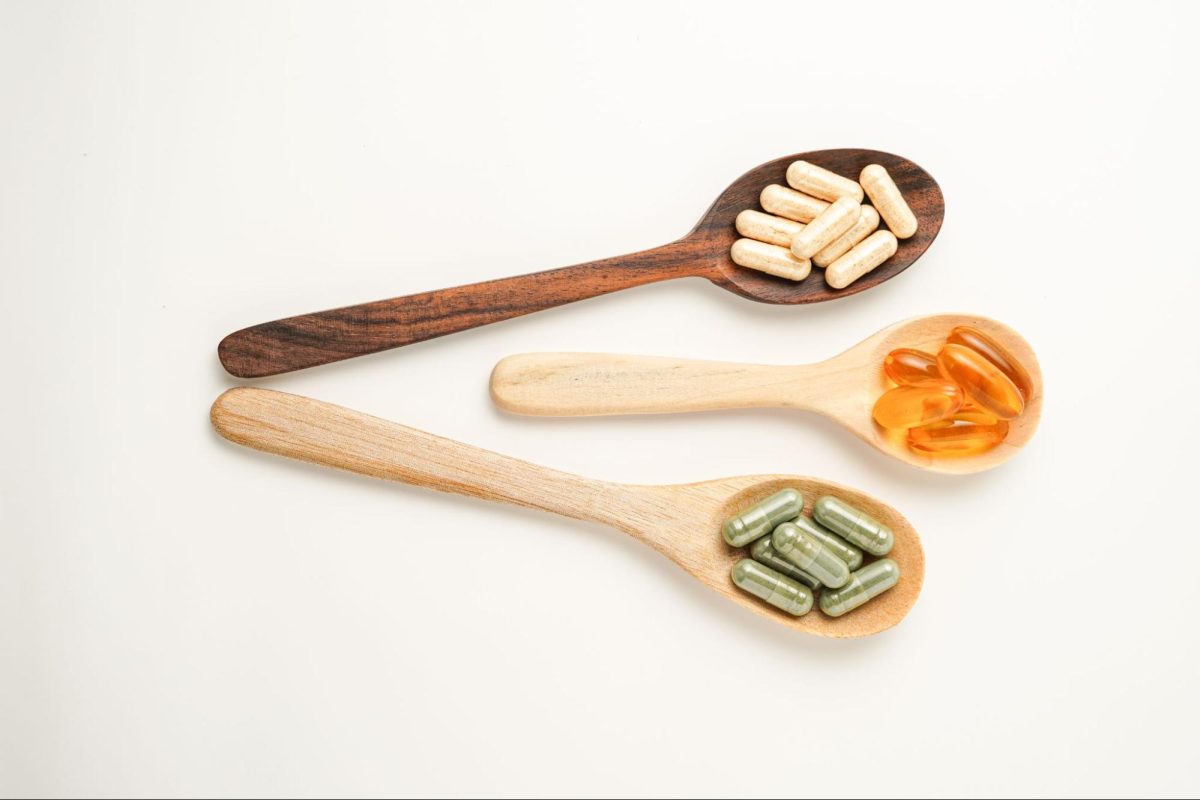
Different Types of Capsules for Supplements Explained
Introduction
For supplement brands, choosing to use capsules is only the first decision. The next question is just as important: which type of capsule actually suits the product? Each variant serves a different purpose, and picking the wrong one can create problems long before a product reaches the shelf.
What may seem like minor technical details can have a direct impact on your product’s stability, manufacturing process, and how it ultimately performs. In this guide, we explore the different types of capsules, how they compare, and what brands should consider when choosing the right one.
What Are Capsules?
A capsule is a type of dosage form that holds active ingredients and other formulation ingredients inside a shell. Unlike tablets, which are made by pressing ingredients into a solid shape, capsules keep the formulation enclosed rather than compressed into one solid form. For more information on how the two compare, visit our guide to Capsules vs Tablets.
The fill can vary depending on the type of capsule and the product formulation. It may contain powder, granules, pellets, mini-tablets, liquid, semisolid ingredients, oils, or suspensions.
How Are Capsules Differentiated?
There are several ways to classify the different types of capsules. A useful way to understand the market is to consider five characteristics:
- Structure: hard shell or soft shell
- Shell material: gelatin, HPMC, and other polymers
- Function: immediate, delayed, enteric, or extended release
- Fill: powder, liquid, semisolid, pellets, or other multiparticulates
- Size and manufacturing method: the physical dimensions and equipment required to produce the capsule
Type of Capsules by Structure: Hard vs Soft
The most fundamental distinction is between hard capsules and soft capsules.
1. Hard Capsules
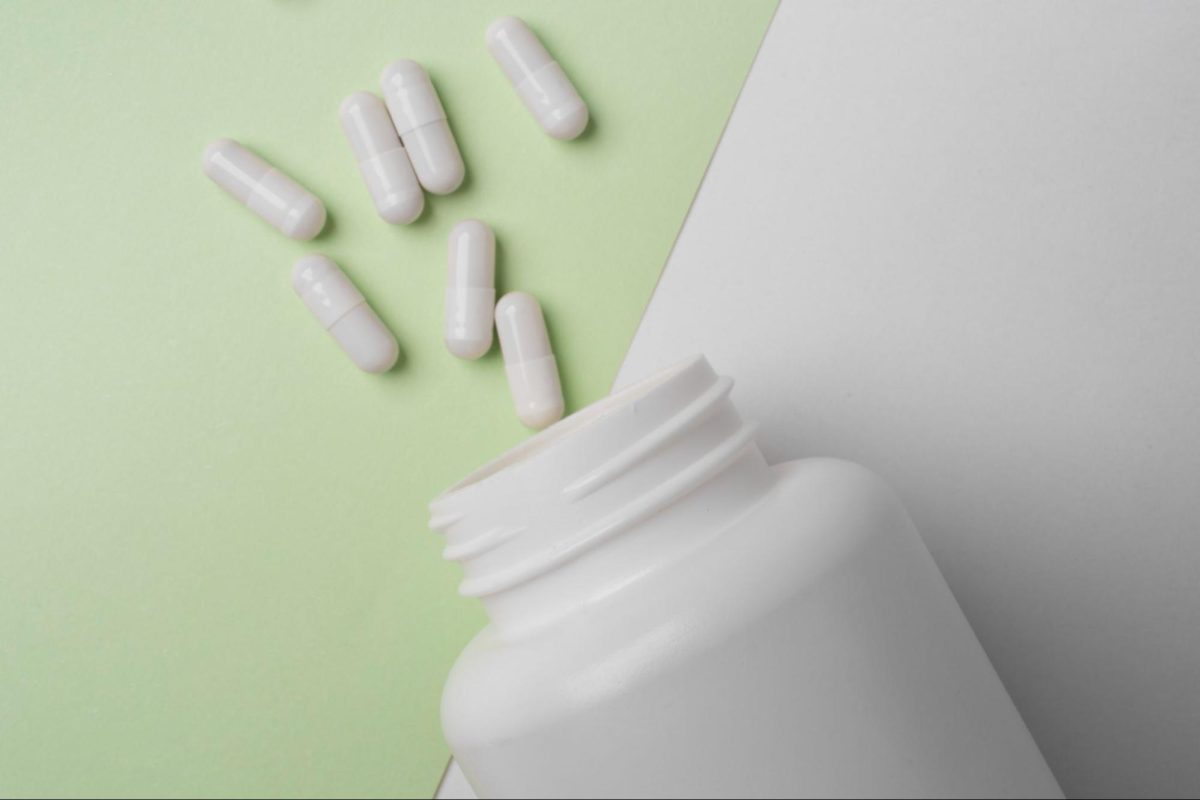
Hard capsules usually consist of two separate pieces:
- Body: the longer section that holds the fill
- Cap: the shorter section that fits over the body
The two components are manufactured separately and assembled after filling.
Traditional hard capsules are commonly used for powders, granules, pellets, and other dry formulations. However, specialised liquid-filled hard capsule technology also allows certain liquids and semisolids to be enclosed within a hard shell.
Pros:
- Suitable for powders, granules, pellets, and some liquids
- Flexible formulation options
- Can be filled using high-speed automated equipment
- Available in multiple sizes
- Can be manufactured from gelatin or non-gelatin materials
- Suitable for modified-release technologies
Cons:
- Conventional hard shells are not ideal for every liquid formulation
- Shell moisture must be controlled carefully
- Some formulations can interact with or affect the shell
- Gelatin versions may not meet vegetarian, vegan, or certain religious dietary requirements
Best suited for: Powdered supplements, pharmaceutical powders, granules, pellets, multiparticulate formulations and selected liquid-filled applications.
2. Soft Capsules

Soft capsules, commonly called softgels, generally have a one-piece flexible shell.
Unlike hard capsules, the shell is formed, filled, and sealed as part of the same continuous encapsulation process. Softgels are particularly useful for liquids, oils, suspensions, and semisolid formulations.
Pros:
- Excellent for oils and liquid formulations
- Can encapsulate solutions and suspensions
- Hermetically sealed
- Can help mask unpleasant tastes and odours
- Useful for poorly water-soluble compounds when appropriate lipid-based formulations are used
Cons:
- More formulation-sensitive than conventional dry-fill hard capsules
- Fill formulation must be compatible with the shell
- Moisture and drying conditions require careful control
- Manufacturing equipment is more specialised
- Some formulations may require additional development work to achieve adequate stability
Best suited for: Oils, vitamins, lipid-based formulations, liquid extracts, suspensions and certain poorly water-soluble active ingredients.
Type of Capsules by Shell Material
Capsules are also differentiated by the material used to manufacture the shell.
1. Gelatin Capsules
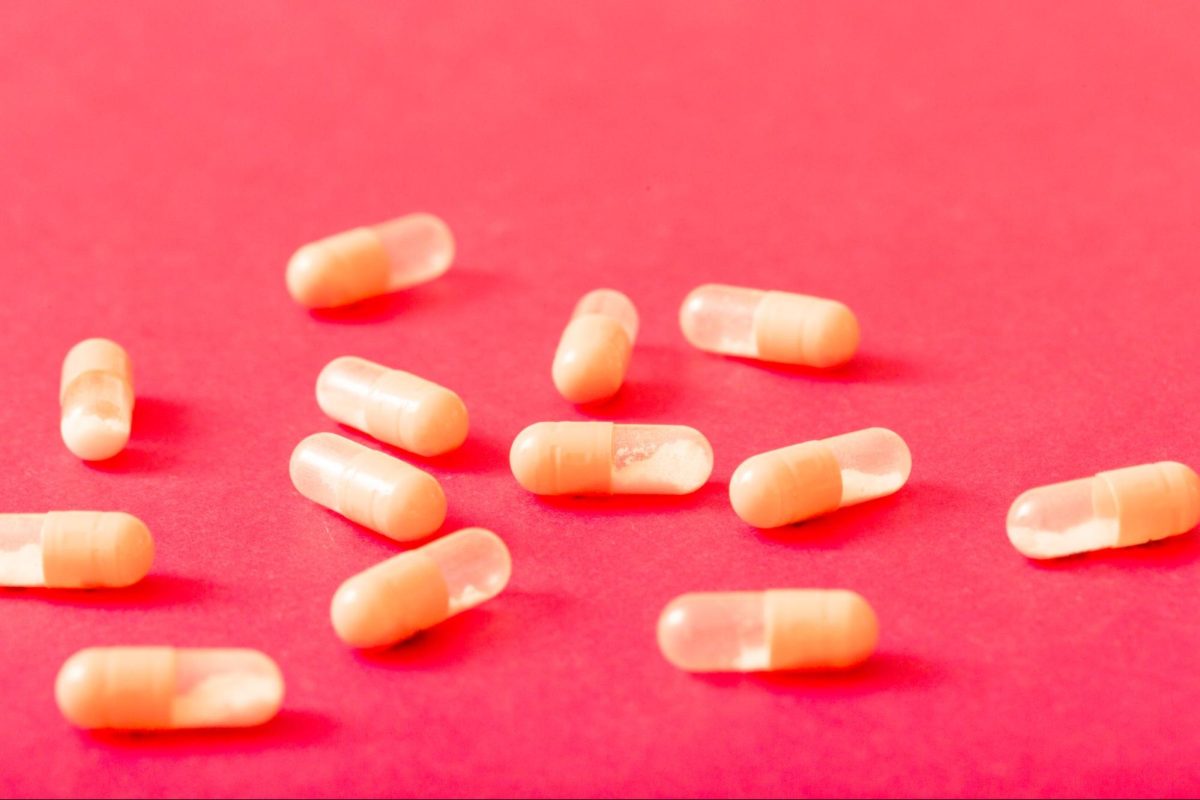
Gelatin remains one of the most established materials for capsule shells.
Gelatin is derived from collagen and has useful film-forming and gelling properties. It is widely used in both hard and soft capsule production.
Advantages:
- Well-established manufacturing technology
- Good film-forming properties
- Suitable for high-speed production
- Widely available
- Can be used for both hard capsules and softgels
Limitations:
- Animal-derived
- Not suitable for vegetarian or vegan products
- Source requirements may matter for halal or other dietary specifications
- Sensitive to changes in moisture
- Can become brittle at excessively low moisture levels or soft/sticky at high moisture levels
2. HPMC Capsules

HPMC stands for hydroxypropyl methylcellulose, also known as hypromellose.
HPMC is a cellulose-derived polymer used as a non-gelatin capsule material. It has become an important alternative to conventional gelatin shells, particularly for products requiring a plant-derived shell.
Advantages:
- Suitable for vegetarian and vegan formulations as it is plant-derived
- Useful for moisture-sensitive formulations
- Can offer good compatibility with a range of fills
Research has found that HPMC capsules generally absorb less moisture from the surrounding environment than gelatin capsules, which can be an advantage for some moisture-sensitive formulations.
Limitations:
- Manufacturing requires specialised process conditions
- Material and processing costs can differ from conventional gelatin
- Formulation and shell compatibility still need to be evaluated rather than assumed
Best suited for: Vegetarian or vegan supplements, moisture-sensitive formulations, products requiring non-animal capsule shells, and formulations where HPMC’s moisture characteristics provide an advantage.
3. Other Non-Gelatin Capsule Materials
HPMC is not the only alternative to gelatin. Other materials have also been developed for capsule shells, each with different properties and potential applications:
- Pullulan: A plant-derived polysaccharide known for its good oxygen-barrier properties and clear appearance.
- Starch derivatives: Modified starches can be used to create plant-based capsule shells with different strength and dissolution properties.
- Carrageenan: A seaweed-derived polymer often used with other ingredients to help form and stabilise capsule shells.
Some of these materials are already used commercially, while others remain more specialised or are still under development.
Type of Capsules by Function and Release Profile

Capsules can also be designed according to how and when their contents are released.
1. Immediate-Release Capsules
Immediate-release capsules are designed to release their contents relatively quickly after the capsule shell breaks down, and the formulation becomes available for dissolution.
They are among the simplest capsule designs and are widely used for conventional powders, granules, and other formulations.
Best suited for: Products where rapid availability of the active ingredient is desired and there is no need for specialised gastrointestinal targeting.
2. Enteric Capsules
Enteric capsules are designed to resist release in the acidic environment of the stomach and release their contents further down the digestive tract. This can be achieved through an enteric coating or specially designed capsule shells that respond to changes in pH.
They may be used to protect the formulation from stomach acid, reduce irritation to the stomach, or deliver ingredients further along the digestive tract.
Pros:
- Can protect acid-sensitive ingredients
- Can delay release until a higher-pH environment is reached
- Can support site-specific delivery strategies
Best suited for: Acid-sensitive active ingredients, formulations requiring delayed intestinal release, and products where gastric release is undesirable.
3. Delayed-Release Capsules
Delayed-release capsules are designed to hold back the release of their contents for a period of time rather than releasing them immediately.
Enteric capsules are one example of delayed-release technology, but the same effect can also be achieved through other shell, coating, or formulation methods. In simple terms, delayed release describes what the capsule does, while enteric coating is one way to achieve it.
4. Extended- or Sustained-Release Capsules
Extended-release capsules are designed to release their contents gradually over a longer period rather than all at once.
This can be achieved using:
- Polymer-coated pellets
- Granules with different release characteristics
- Matrix systems
- Multiparticulate systems
- A combination of immediate- and modified-release components
For supplement brands, this type of capsule may be considered when a more gradual release of certain ingredients is desired. The right approach depends on the formulation, ingredients, and intended release profile.
Types of Capsules: A Quick Comparison
Capsule type | Shell | Typical fill | Main advantage | Best suited for |
Hard gelatin capsule | Gelatin | Powder, granules, pellets | Established and versatile | Pharmaceuticals and supplements |
HPMC hard capsule | HPMC | Powder, granules, pellets | Plant-derived and lower moisture | Vegetarian/vegan and moisture-sensitive products |
Softgel | Usually gelatin or non-gelatin polymer | Liquid, oil, suspension | Excellent liquid encapsulation | Oils, vitamins and lipid formulations |
Enteric capsule | Special coating or polymer shell | Powder, pellets, liquid | Delayed intestinal release | Acid-sensitive formulations |
Extended-release capsule | Various | Pellets, granules, multiparticulates | Prolonged release | Controlled-release products |
How Different Types of Capsules Are Manufactured
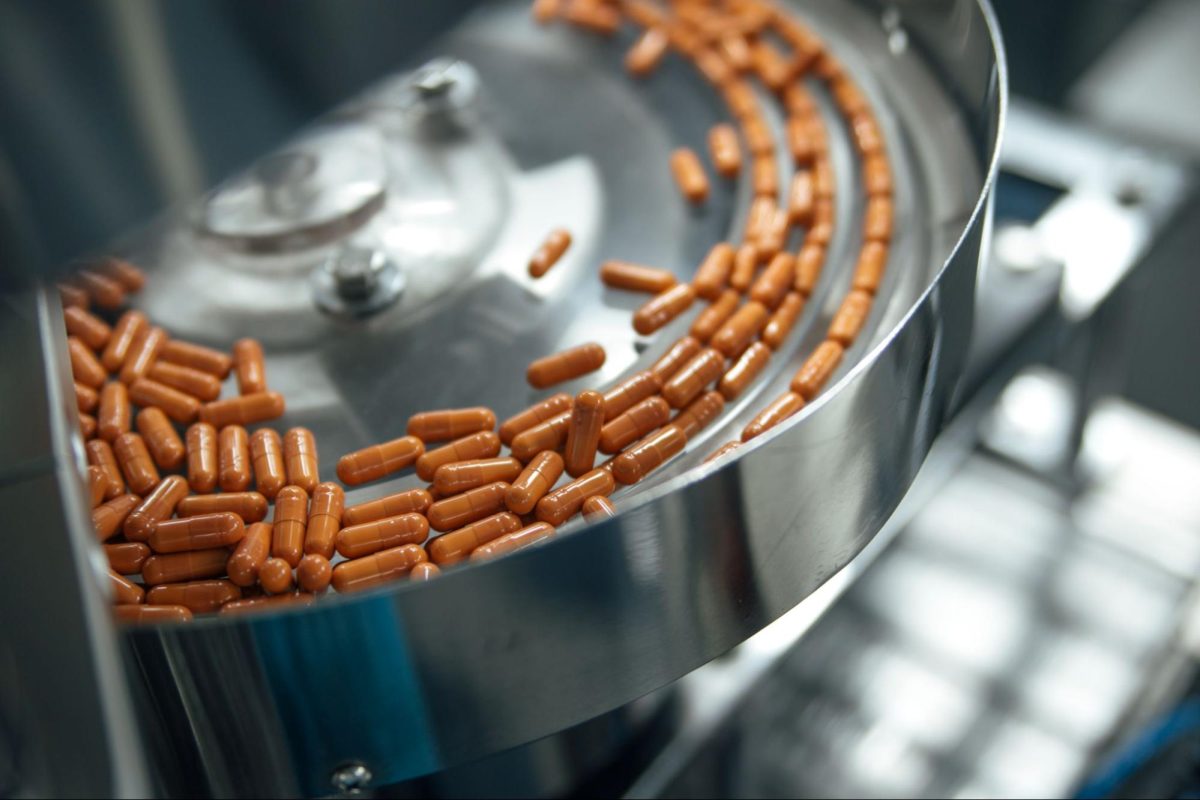
Hard Capsule Manufacturing
Traditional hard capsules are generally produced using a dipping process. The main stages are:
- Preparation of the shell solution: Gelatin, HPMC, or another shell-forming material is prepared at the required concentration and process conditions.
- Pin dipping: Stainless-steel mould pins are dipped into the shell solution.
- Spinning: The pins rotate to distribute the solution evenly around their surfaces.
- Drying: Controlled air conditions remove moisture and solidify the shell film.
- Stripping: The dried shell sections are removed from the mould pins.
- Trimming: The capsule body and cap are cut to their required dimensions.
- Joining: The cap and body are fitted together to form the empty capsule.
- Inspection: Empty capsules are checked for dimensions, appearance, defects, and other quality attributes.
- Filling: The empty capsules are filled with the formulated supplement using the appropriate filling equipment, such as powder, pellet, granule, or liquid filling systems.
- Closing and final inspection: The filled capsules are securely closed and inspected before moving on to packaging.
Soft Capsule Manufacturing
Softgels are commonly produced using rotary die encapsulation. The general process involves:
- Preparation of the shell mass: Gelatin, plasticisers, water, or other shell-forming materials are prepared under controlled conditions.
- Ribbon casting: The shell material is formed into two continuous ribbons.
- Fill preparation: The liquid or semisolid formulation is prepared and metered at the required volume.
- Encapsulation: The two ribbons come together around the fill as rotating dies form the capsule shape.
- Sealing: Heat and pressure seal the shell around the fill.
- Trimming: Excess ribbon material is separated from the finished capsules.
- Washing and drying: The capsules are cleaned and dried under controlled conditions.
- Inspection: Finished capsules are checked for appearance, dimensions, fill, sealing, and other quality attributes.
- Packaging: Approved capsules are packaged in the appropriate packaging system.
In a conventional rotary die process, shell formation, filling, and sealing occur continuously. This makes softgel manufacturing highly efficient at commercial scale, but it also means that the shell and fill formulation must be developed as a compatible system.
Manufacturing Considerations for Different Types of Capsules

1. Shell Material Compatibility
The ingredients must work well with the capsule shell. Gelatin, HPMC, and other materials have different moisture and chemical properties, so the same formulation may behave differently in each type.
2. Moisture Sensitivity
Moisture can affect both the capsule and its contents. Gelatin generally contains more moisture than HPMC and can become brittle in very dry conditions or softer in high humidity.
HPMC may be a better option for some moisture-sensitive formulations because it generally has lower moisture content and moisture sorption than gelatin. However, the formulation and packaging should always be considered together.
3. Fill Compatibility
The fill should be checked for compatibility with the capsule shell. Key factors include water content, pH, oil content, viscosity, hygroscopicity, particle size and density, flowability, chemical reactivity, and stability.
This is especially important for softgels and liquid-filled hard capsules, where the fill remains in contact with the shell throughout the product’s shelf life.
4. Release Requirements
A conventional hard capsule or softgel may work for products designed for immediate release. If the formulation needs to resist stomach conditions or release gradually, additional technologies may be needed.
5. Manufacturing Equipment
The capsule type also determines the equipment needed.
Hard capsules may require:
- Capsule separation and closing equipment
- Powder, pellet, or granule filling systems
- Liquid filling equipment for liquid-filled hard capsules
- Banding or sealing equipment
- Inspection systems
Softgels may require:
- Gelatin or polymer preparation equipment
- Ribbon casting systems
- Rotary die encapsulation machines
- Fill pumps
- Controlled drying equipment
- Inspection systems
The equipment must also match the capsule size, fill type, and production requirements. Working with a knowledgeable supplement manufacturer can help ensure these factors are considered early and that the capsule and production process are well-suited to your product.
Evolving Trends and Technology in Capsule Production
1. Advanced Enteric Capsule Technology
Traditional enteric capsules often rely on an external coating. Newer approaches are exploring functional polymers incorporated directly into the capsule shell, potentially reducing the need for a separate coating step. These shells can be designed to resist stomach conditions and release their contents under intestinal conditions.
2. Dual-Layer and Multi-Layer Capsule Designs
Multi-layer capsules are an emerging trend because they allow different layers to perform different functions within the same capsule. One layer may provide mechanical protection, while another can help control moisture, permeability, or release.
Double-dipping, or repeated dipping during shell production, is one way to build up these layers. This approach gives manufacturers more control over the capsule shell and its properties.
3. Injection-Molded Capsule Shells
Injection molding offers an alternative approach for producing specialised capsule shells, although the technology is still emerging in capsule manufacturing. A 2024 study demonstrated the feasibility of producing pharmaceutical-grade polyvinyl alcohol capsule shells with reproducible dimensions, moisture-barrier properties, and tunable release behaviour.
This approach may be useful for designs requiring:
- Specific wall thickness
- Controlled mechanical properties
- Functional release characteristics
- Materials that are difficult to process using conventional dipping
4. Customisation
Capsules can also be customised with colours, dual-tone shells, and transparent designs, giving brands more options for product differentiation and visual appeal.
How to Choose the Right Type of Capsule

Choosing the right capsule starts with the product itself. Consider these key factors before deciding:
- Start with the fill: Powder-based formulas are commonly suited to hard gelatin or HPMC capsules, while oils and liquids may be better suited to softgels or liquid-filled hard capsules. If you’re comparing traditional pills with liquid supplements, our guide to liquid vitamins vs pills can help you understand the differences.
- Consider moisture sensitivity: If the formulation is sensitive to moisture, evaluate the capsule material alongside the packaging to help maintain product stability.
- Check the desired release profile: Acid-sensitive ingredients may require an enteric capsule, while products designed for longer release may require specialised modified-release systems.
- Think about the target market: If you are developing a vegetarian or vegan supplement, an HPMC or other suitable non-animal capsule may be more appropriate.
- Assess the dose and fill volume: The required dose, bulk density, and fill volume will help determine the appropriate capsule size and filling method.
- Evaluate compatibility and stability: The fill needs to be compatible with the capsule shell and remain stable throughout the product’s shelf life.
- Consider manufacturing requirements: Capsule type can affect the filling equipment, production process, and overall manufacturing complexity.
- Factor in packaging and regulatory requirements: The capsule, packaging, and formulation should work together while meeting the relevant regulatory requirements for your target market.
- Consider production scale: The most suitable capsule for a small product launch may not be the most practical option at larger production volumes.
Conclusion
Each capsule type has its place and purpose. With so many choices, factors such as your formulation, target market, stability needs, and manufacturing requirements all need to be considered together when developing a capsule-based supplement.
As an experienced health supplement manufacturer in Malaysia, we are committed to helping brands make informed decisions at every stage, from choosing the right capsule to bringing the finished product to market. Partner with us today to explore your options and find the right capsule for your product.
Frequently Asked Questions
1. What is the difference between hard and soft capsules?
Hard capsules usually have a two-piece shell and are commonly filled with powders or multiparticulates. Soft capsules have a flexible one-piece shell and are particularly suitable for liquids and oils.
The manufacturing process is also different: hard capsules are generally manufactured as empty shells before filling, whereas softgels are typically formed, filled, and sealed continuously using rotary die encapsulation.
2. What are HPMC capsules?
HPMC capsules are hard capsules made using hydroxypropyl methylcellulose, a cellulose-derived polymer.
They are commonly used as a non-gelatin alternative and are suitable for products targeting vegetarian or vegan consumers. HPMC capsules also generally have lower moisture content and lower moisture sorption than gelatin capsules, which can be useful for certain moisture-sensitive formulations.
3. What is an enteric capsule?
An enteric capsule is designed to resist release in the stomach and release its contents further along the gastrointestinal tract. This can be achieved through an enteric coating or by using a capsule shell engineered with pH-responsive materials.
Enteric capsules can be useful for acid-sensitive ingredients or formulations that should not release their contents immediately in the stomach.
4. Can capsules contain liquids?
Yes. Softgels are commonly used for liquid and oil-based formulations. Specialised liquid-filled hard capsules can also contain liquids or semisolid formulations.
5. Are all capsules made from gelatin?
No. Gelatin is widely used, but capsules can also be made from materials such as HPMC.
Research and commercial development have also explored materials including pullulan, starch derivatives, and other polymer systems.
6. What type of capsule is best for moisture-sensitive ingredients?
HPMC capsules may offer advantages for some moisture-sensitive formulations because they generally have lower moisture content and lower moisture sorption than gelatin capsules.
One Response