
What Are the Types of Probiotics?
A Guide to Types of Probiotics, Benefits, & Supplements
Probiotics are often discussed as a single, uniform ingredient. The gut microbiome is highly complex, and probiotics are incredibly diverse. Each specific species and strain of bacteria or yeast behaves differently in the human body, offering entirely different health benefits.
Whether you are a consumer choosing a supplement for digestive comfort, or a brand founder formulating a new product with an Original Equipment Manufacturer (OEM), understanding these microbiological differences is critical.
Here is a complete breakdown of the most common probiotic types, how to decode their labels, and what to look for in a high-quality formulation.
1. Decoding the Label: Genus, Species, and Strain
When you look at a high-quality probiotic label, the ingredients can look like a complex science exam. To know exactly what you are getting, you must read the classification hierarchy. Probiotics are classified by Genus, Species, Subspecies, and Strain. The specific strain is the most important factor, as clinical studies test specific strains, not just the broader species.
Here is how to read a common probiotic classification, using Bifidobacterium animalis subsp. lactis BB-12 as an example:
Classification Level | What It Means | Example |
Genus | The broadest family group of the bacteria. | Bifidobacterium |
Species | The specific type within that family. | animalis |
Subspecies | A narrower classification within the species. | lactis |
Strain | The specific, clinically studied microorganism. | BB-12 |
2. The Core Probiotic Families
While there are many types of beneficial microorganisms, commercial probiotics primarily belong to four key functional groups:
The Bifidobacterium Genus
Naturally occurring in the human gastrointestinal tract and vaginal microbiota, Bifidobacterium is one of the most heavily researched groups of probiotics for digestive and immune health. They are known for fermenting dietary fibers and producing short-chain fatty acids (SCFAs), which fuel the cells lining the colon
- Bifidobacterium animalis & lactis: Often formulated to support regular bowel movements and overall digestive comfort. The highly studied BB-12 strain is famous for immune system support and maintaining the gut barrier.
- Bifidobacterium breve: Helps break down plant fibers and competes against harmful, infection-causing bacteria or yeasts in the gut.
- Bifidobacterium longum: Helps break down complex carbohydrates and modulates normal immune responses.
The Lactobacillus Genus
Historically the most widely recognized probiotic group, Lactobacillus species produce lactic acid. This acid lowers the pH of the gut, creating a hostile environment for harmful pathogens. (Note: In 2020, scientists reorganized this genus, but the older names remain standard on consumer labels).
- Lactobacillus acidophilus: Found in both the digestive and vaginal tracts, as well as fermented dairy. It is highly effective at producing lactic acid to crowd out harmful bacteria.
- Limosilactobacillus reuteri (formerly Lactobacillus reuteri): Extensively studied for gastrointestinal health, managing diarrheal illnesses, and producing antimicrobial compounds. Emerging research even links it to improved oral health and plaque reduction.
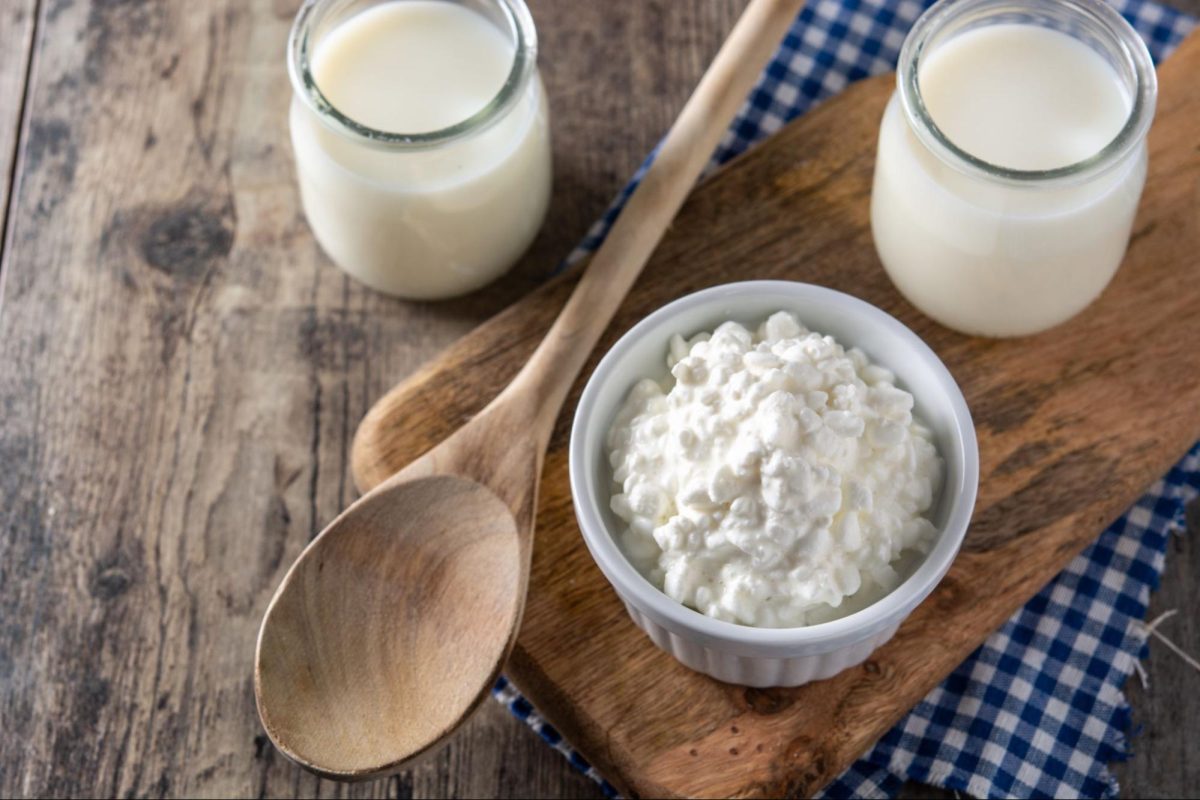
Natural Sources: Before supplements, humans got probiotics entirely from fermented foods. Unpasteurized Yogurt, Kefir, Kimchi, Sauerkraut, and Kombucha all contain naturally occurring live cultures. However, commercial processing and heat pasteurization often destroy these naturally occurring bacteria.
3. Manufacturing and Formulating a Probiotic Supplement
If you are developing a probiotic supplement, building a reliable product takes more than just picking a famous ingredient. You must engineer the product for survivability.
- Define the Product’s Purpose: Choose the specific strain that has clinical data supporting your product’s goal (e.g., antibiotic recovery vs. daily bowel regularity).
- Determine the Appropriate CFU Dose: Probiotics are measured in CFUs (Colony-Forming Units)—the estimated number of live, viable microorganisms per serving. More is not always better. A targeted 5 billion CFU dose of a highly survivable strain is often more effective than a 50 billion CFU dose of a weak strain.
- Consider Stability and Storage: Probiotics are living organisms. Temperature, moisture, and oxygen kill them. You must work with your manufacturer to select strains and packaging that guarantee the CFU count remains viable through the end of the product’s shelf life.
- Choose Multi-Strain vs. Single-Strain Formulations: Formulating with 15 different strains looks good on a label, but those strains might compete in the bottle. Often, a well-researched single-strain formula is more stable and effective.
4. Stability, Moisture, and Packaging
Probiotics are incredibly sensitive to heat, moisture, and oxygen. Your choice of strain will dictate your packaging, which directly impacts your unit economics.
- Capsule Material: You cannot use standard gelatin capsules for moisture-sensitive probiotics, as gelatin contains too much water. You will need to specify low-moisture HPMC (vegetarian) capsules.
- Packaging: Standard PET bottles offer poor moisture barriers. You will likely need to invest in Alu-Alu (aluminum) blister packs, desiccant-lined CSP vials, or thick HDPE bottles with heavy desiccant packets to ensure your product survives warehousing and retail shelves.
5. Safety, Side Effects, and Contraindications
While probiotics are widely recognized as safe for the general public, both consumers and brand founders must understand how live microorganisms interact with the human body.
The “Adjustment Period”
When introducing a new high-potency probiotic, the gut microbiome undergoes a temporary shift. As beneficial bacteria begin to colonize, they produce short-chain fatty acids and gases as byproducts
- Common Symptoms: Mild bloating, gas, or slight changes in bowel habits during the first 3 to 7 days.
- Brand Recommendation: Communicating this temporary adjustment period on your product packaging helps prevent customer dissatisfaction and unnecessary product returns.
Critical Contraindications
Probiotics contain live cultures and should be strictly avoided (unless under direct medical supervision) by:
- Immunocompromised Individuals: Patients undergoing chemotherapy, organ transplant recipients, or individuals with severe immune deficiencies.
- Critically Ill or Hospitalized Patients: Those with central venous catheters, open surgical wounds, or severe acute conditions.
- Premature Infants: Due to risks of severe infection (bacteremia or fungemia).
6. Probiotics vs. Prebiotics: What is the Difference?

Consumers frequently confuse these two terms, but they play entirely different roles in the gut microbiome. When a product combines both, it is known as a Synbiotic.
Feature | Probiotics | Prebiotics |
What are they? | Live microorganisms (bacteria and yeasts). | Dietary fibers and compounds that humans cannot digest. |
What do they do? | Add beneficial microbes directly to the gut environment. | Act as food or fertilizer for the good bacteria already living in the gut. |
Where are they found? | Fermented foods (kefir, kimchi) and supplements. | Fibrous foods (garlic, onions, whole grains, bananas). |
7. Regulatory Compliance: Navigating Approvals and Claims in Malaysia
For OEM brand founders, regulatory compliance in Malaysia is the single highest-risk step in product development. Purchasing raw probiotic powder is easy; legally selling it is complex. Malaysian regulatory bodies evaluate the specific strain and the product’s format.
The “Positive List” System
The Malaysian Ministry of Health operates on a strict “positive list” system for probiotics.
- What It Means: The government maintains a strict list of explicitly approved probiotic cultures. If your manufacturer suggests a novel or unlisted strain, you cannot legally use it without funding a lengthy safety dossier and clinical trial. Always demand that your OEM only formulates with strains pre-approved for the Malaysian market.
Health Supplements (NPRA) vs. Food (FSQD)
The legal rules change entirely depending on how your product is packaged and consumed.
- Supplements (Pills/Capsules): Regulated by the National Pharmaceutical Regulatory Agency (NPRA). Your OEM must register the supplement to secure an MAL registration number. The NPRA requires strict stability testing (specifically for Malaysia’s hot and humid Zone IV B climate) to ensure the probiotics remain viable through the end of their shelf life.
- Functional Foods (Gummies/Beverages/Powders): Regulated by the Food Safety and Quality Division (FSQD) under the Food Regulations 1985 (Regulation 26A). The FSQD maintains a much shorter list of permitted probiotic cultures for foods and enforces strict minimum viability rules at the end of the product’s shelf life.
Permitted Health Claims
You cannot arbitrarily invent marketing claims for your label. Stating that a probiotic “cures irritable bowel syndrome (IBS)” will trigger immediate regulatory action and product recalls.
- Structured NPRA Claims: The NPRA strictly categorizes health supplement claims into General, Functional, or Disease Risk Reduction tiers. Brands are legally restricted to pre-approved, scientifically substantiated claims like “Supports a healthy digestive system” or “Used as a health supplement”. Your OEM’s regulatory team must approve every word on your label before it goes to the printer to ensure it meets Ministry of Health guidelines.
One Response