

Liquid Vitamins vs Pills: Which Is Better?
Introduction
Are liquid vitamins better than pills? It is a common question for supplement brands developing vitamin supplements, but the answer depends on your commercial and formulation goals. Liquid vitamins and pills can deliver the same nutrients, yet their dosage forms dictate manufacturing, packaging, storage, stability, production costs, and shelf life.
This guide compares liquid vitamins with solid formats (tablets and capsules) to help product developers and founders make informed manufacturing and packaging decisions.
Understanding Vitamin Formulation
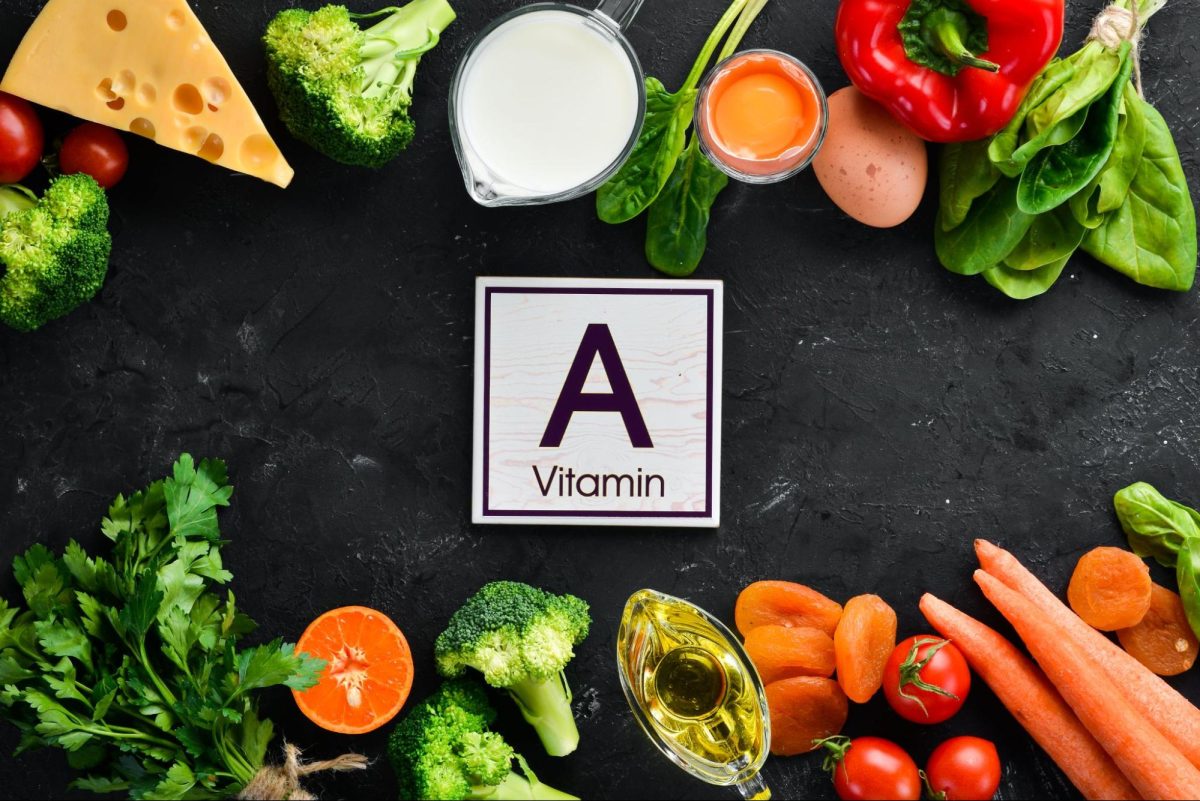
Vitamins are essential micronutrients required for normal physiological functions. From a product development perspective, they are divided into two categories that heavily influence your formulation strategy:
Fat-Soluble Vitamins
The four fat-soluble vitamins are A, D, E, and K. These are absorbed alongside dietary fat and stored in the body. For example, vitamin D absorption is enhanced when fat is present in the gut. For supplement manufacturers, this means simply putting a fat-soluble vitamin into a liquid does not automatically guarantee high bioavailability. The chemical form, solubilisation strategy, and delivery system are critical for product performance.
Water-Soluble Vitamins
Water-soluble vitamins include the B-complex group (such as Biotin) and vitamin C. While generally less dependent on dietary fat for absorption, they do not behave identically in a liquid or solid dosage form. The specific nutrient and formulation system—not just its solubility—must determine the delivery format.
Liquid Vitamins Defined
Liquid vitamins deliver active ingredients in a fluid form, where nutrients are dissolved, suspended, emulsified, or incorporated into a specialized delivery system. They are typically packaged in bottles with measuring cups, droppers, oral syringes, or single-dose sachets.
How They Work:
- Ingestion: The user takes the recommended volume.
- Release: Bypassing the tablet disintegration step, the liquid formulation offers immediate nutrient availability.
- Dissolution and Digestion: Depending on the matrix, ingredients may already be dissolved or will disperse within the gastrointestinal tract.
- Absorption: Nutrients enter the bloodstream. Total absorption depends on nutrient solubility, food intake, and individual physiology.
Pill Vitamins Defined
“Pill vitamins” refers to solid oral dosage forms—primarily tablets and capsules.
- Tablets: Compressed preparations containing active ingredients and excipients. They can be formulated for immediate or modified release, but always require disintegration and dissolution in the digestive tract before absorption.
- Capsules: Ingredients are encased in a shell (gelatin or vegetarian materials). Like tablets, they must release their contents before absorption, but they are highly effective for formulations unsuitable for compression.
Liquid Vitamins vs Pills: Strategic Differences for Founders

The choice between liquids and pills affects absorption, stability, packaging, and manufacturing costs.
Absorption and Bioavailability
While liquids avoid the initial disintegration step, they are not universally “better absorbed.” Bioavailability relies heavily on the specific nutrient and formulation matrix. Product developers must consider:
- Whether the active ingredient is water-soluble or fat-soluble.
- The specific chemical form of the vitamin used.
- Sensitivity to light, oxygen, heat, or pH.
- The need for emulsifiers, solubilisers, or excipients.
- Release profile requirements (immediate vs modified).
Convenience and Target Market
Liquids are highly attractive for demographics that struggle with swallowing, such as children and seniors. However, they require measuring, shaking, and specific storage conditions. Pills remain the standard for portability and exact, pre-measured unit dosing, utilizing efficient blister packs or standard bottles.
Shelf Life and Stability
Shelf life dictates inventory management and ROI. Liquids introduce a continuous aqueous environment that increases vulnerability to degradation, pH shifts, and microbial growth. Heat, light, and oxygen interactions require rigorous preservation and packaging strategies. By contrast, dry solid dosage forms typically offer superior stability and easier shelf-life management.
Manufacturing and Formulation Costs
Liquid vitamins often incur higher formulation and manufacturing costs. Requirements unique to liquids include:
- Liquid raw materials, flavouring systems, sweeteners, and preservatives.
- Solubilising or emulsifying agents.
- Specialized mixing, homogenisation, and liquid-filling equipment.
- Bottles, caps, and specialized dosing devices.
- Extensive microbiological and stability testing.
- Heavier shipping and complex storage logistics.
Tablets and capsules benefit from highly established, cost-efficient solid-dose manufacturing processes.
Customisation and Dosage Flexibility
Liquids excel in dosage flexibility. A single liquid product can serve multiple demographics (e.g., children and adults) simply by adjusting the measured volume. This is ideal for premium personalised nutrition concepts. Pills typically require separate SKUs for different dosage strengths.
Quick Comparison: Liquid Vitamins vs Pills
Factor | Liquid Vitamins | Tablets | Capsules |
Absorption | No disintegration step; absorption is formulation-dependent | Requires disintegration and dissolution | Requires shell opening and content release |
Dosage Flexibility | High | Usually fixed per unit | Usually fixed per unit |
Swallowing | Easier for those who struggle with pills | May be difficult for some | May be difficult for some |
Portability | Less convenient | Highly portable | Highly portable |
Flavour | Requires flavour development | Little to no flavour exposure | Little to no flavour exposure |
Stability | Complex due to liquid environment | Easier to manage (dry form) | Easier to manage (dry form) |
Packaging | Bottles, sachets, dosing devices | Bottles, blister packs | Bottles, blister packs |
Manufacturing | Involves liquid processing and filling | Established solid-dose process | Established encapsulation process |
Pros and Cons Breakdown
Liquid Vitamins
- Pros: Easier to swallow; gentle on the stomach; flexible dosing; allows custom flavors; avoids tablet disintegration.
- Cons: Demanding stability requirements; flavor masking needed; harder to transport; requires measuring; higher production and logistics costs.
Tablets and Capsules
- Pros: Highly portable; precise unit dose; easier stability management; established manufacturing processes; cost-effective at scale.
- Cons: Harder to swallow for some users; fixed dosage per unit; potential size constraints for high-dose formulations.
How to Choose the Right Format for Your Brand
- Start with Active Ingredients: Assess chemical properties, solubility, and taste. A vitamin with poor aqueous solubility may require an advanced solid formulation rather than a forced liquid matrix.
- Define Target Market: Align the format with your target market’s preferences, age, and lifestyle (e.g., pediatric drops vs convenient adult capsules).
- Consider Stability Early: Test early to avoid costly reformulations. Pay close attention to pH and oxidation for liquids, and moisture sensitivity for pills.
- Check Regulatory Compliance: Ensure your chosen format and ingredients meet local authority requirements (such as NPRA guidance in Malaysia) regarding registration, labeling, and dosage limits.
- Validate Commercial Model: Evaluate Minimum Order Quantities (MOQs), unit costs, manufacturing lead times, and scalability before committing to a final format.
Selecting the right dosage format requires balancing consumer preference with manufacturing realities. A disciplined approach to formulation, stability testing, and regulatory compliance ensures your vitamin supplement transitions successfully from concept to a market-ready brand. Partnering with an experienced OEM manufacturer can help streamline this process.
Frequently Asked Questions
1. Are liquid vitamins more effective than tablets?
Not inherently. Effectiveness depends on whether the product provides an appropriate amount of the required nutrient and whether the formulation allows it to remain stable and bioavailable. The dosage form should be selected based on the specific vitamin, target demographic, and product goals.
2. Why can liquid vitamins be more expensive to produce?
Liquid products require additional processing and inputs, including flavor systems, sweeteners, preservatives, solubilizers, specialized liquid filling equipment, heavy-duty packaging, and extensive stability/microbiological testing.
3. Can liquid vitamins contain multiple nutrients in one formula?
Yes, liquid formulations can combine multiple vitamins provided the active ingredients are chemically compatible and remain stable throughout the product’s shelf life without precipitating or degrading.
4. Which format is easier to manufacture: liquid vitamins or tablets?
Neither format is universally easier. Tablets benefit from standard solid-dose machinery, whereas liquids require specialized mixing, homogenisation, and liquid-filling infrastructure. Complexity depends on ingredient stability, packaging, and quality control standards.