

Liquid, Powder, or Capsule? Choosing the Right Supplement Format for Your Brand
If you’re starting a health supplement brand, one of the first big decisions is not just about ingredients, but the format itself. Should it be a capsule, powder sachet, or liquid shot?
The format you choose affects how your product is perceived, how customers use it, and even how well it sells.
Here’s what supplement brand founders should know before deciding on a manufacturing direction.
Why format matters beyond formulation
The supplement industry has evolved. Consumers are no longer comparing products based only on ingredients. They also care about convenience, taste, texture, and how the product fits into their daily routine.
The format of your supplement plays a major role in shaping that experience.
For example, a collagen beauty drink in a sleek glass bottle feels premium and lifestyle-focused. A capsule containing the same ingredients feels more clinical and functional. A powder sachet mixed into coffee or smoothies feels convenient and integrated into everyday life.
Same ingredients, completely different brand positioning.
Liquid supplements: why demand keeps growing
Liquid supplements have become increasingly popular for good reason. Unlike capsules or tablets, liquid supplements are already dissolved, so the body can begin absorbing the nutrients more quickly.
This can be especially beneficial for ingredients like collagen peptides, glutathione, and vitamin C.
Liquid formats also work well for:
- Consumers who dislike swallowing capsules, including children and older adults
- High-potency formulas that would require multiple capsules per serving
- Beauty and wellness shots designed for convenience and portability
- Products focused on fast effects such as energy, recovery, or sleep support
Another advantage is flavour. A well-formulated liquid supplement can actually become something customers enjoy taking daily, which can improve consistency and repeat purchases.
Where powder formats may be more suitable
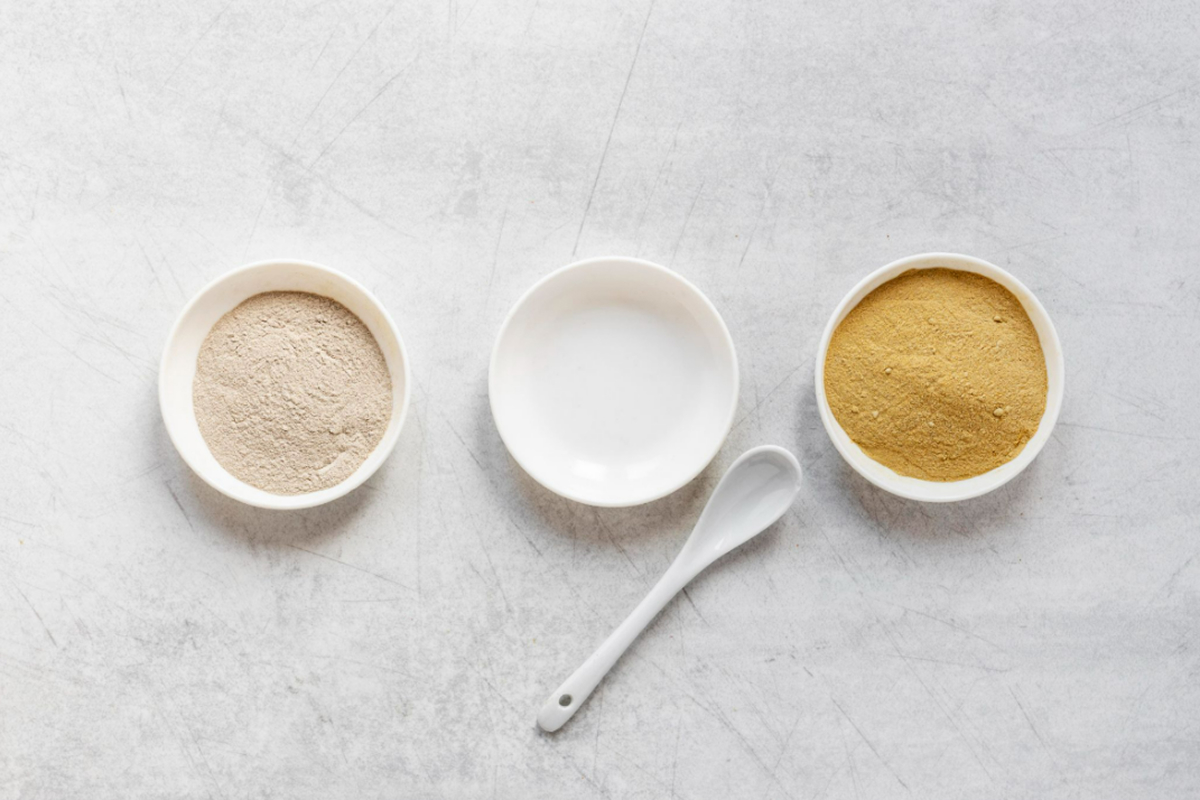
While liquid supplements offer many advantages, some products naturally work better in other formats depending on the formulation and how consumers are expected to use them.
For example, products with higher fibre content, meal replacement formulas, or supplements designed to be blended into smoothies and beverages are often better suited for powder form. Powder formats also offer greater flexibility for larger serving sizes and customisable intake.
For brands targeting fitness, active lifestyle, or daily nutrition markets, powder supplements can provide a convenient and familiar user experience.
If your product concept leans in that direction, Beauty Scientist is one of the powder supplement OEM companies in Malaysia worth exploring. Their team works closely with founders on science-led powder formulations tailored for wellness and functional nutrition brands.
Capsules and softgels: practical and familiar

Capsules remain one of the most common supplement formats for functional wellness products such as multivitamins, immune support, and liver health supplements.
They are compact, easy to consume, and usually more cost-efficient for brands entering the market. Softgels are especially suitable for oil-based ingredients like omega-3, CoQ10, and fat-soluble vitamins.
The challenge with capsules is differentiation. In a crowded market, a standard bottle of capsules can be harder to position as unique compared to a branded liquid shot or lifestyle-focused powder sachet.
Shelf Life and Stability Considerations
Shelf life and ingredient stability are important factors when choosing a supplement format. Different ingredients respond differently to moisture, oxygen, light, and temperature, and each format comes with its own stability characteristics.
Liquid supplements are carefully formulated and packaged to maintain ingredient quality throughout their shelf life. Experienced manufacturers typically use solutions such as amber bottles, nitrogen flushing, preservative systems, and pH balancing to help protect sensitive ingredients and ensure product stability over time.
Powder formats are well suited for products that require larger serving sizes or greater flexibility in usage, while capsules and softgels provide a compact and protective format for precise dosing and convenience.
An experienced manufacturing partner can help assess the stability requirements of your ingredients and recommend the most suitable format, formulation strategy, and packaging solution based on your product goals and target audience.
Which Format Works Best for Different Ingredients
Certain ingredients naturally perform better in specific formats depending on dosage, stability, and consumer experience.
Here are some common examples:
| Ingredients | Commonly Used Format |
| Collagen peptides | Liquid / Powder |
| Glutathione | Liquid / Capsule |
| Protein blends | Powder |
| Omega-3 | Softgel |
| Probiotics | Capsule / Liquid / Powder |
| Greens blends | Powder |
| Vitamin C | Liquid / Powder / Capsule |
| Sleep support blends | Liquid / Capsule |
| Electrolytes | Powder / Liquid |
The best format ultimately depends on your product positioning, target audience, and intended usage experience.
How to choose the right format
A few simple questions can help narrow down the right direction:
- Who is your target customer, and how do they prefer to consume supplements daily?
- Does your ingredient benefit from faster absorption, or is a capsule sufficient?
- Which format fits your sales channel best, whether retail, pharmacy, or e-commerce?
In most cases, the answers will naturally point toward the right format.
Common Mistakes First-Time Supplement Brands Make
Many new supplement founders focus heavily on ingredients while overlooking other factors that strongly affect product success.
Some of the most common mistakes include:
1. Choosing a format based only on trends
Just because liquid collagen or gummy supplements are trending does not mean they are the right fit for every product or audience. The format should match your customer’s lifestyle and expectations.
2. Ignoring taste and user experience
A supplement may have strong ingredients, but if the taste, texture, or convenience is poor, customers are less likely to repurchase consistently.
3. Overcomplicating the formula
Trying to include too many ingredients in a single product can create formulation challenges, increase costs, and dilute the product positioning.
4. Underestimating packaging and branding
Packaging affects both shelf appeal and consumer perception. A well-positioned product often combines strong formulation with thoughtful branding and packaging design.
5. Choosing manufacturers based only on price
Manufacturing quality, regulatory support, formulation expertise, and communication matter just as much as cost. A cheaper option can become more expensive later if quality or compliance issues arise.
For most startups, the best approach is usually to keep the concept focused, validate market demand early, and work with an experienced OEM or ODM partner who can guide the process properly.
Manufacturing liquid supplements in Malaysia
At LIQ Formulations, we have spent over a decade developing liquid supplement formulas across beauty, wellness, immunity, sleep, and gut health categories.
Our facilities are GMP-certified and KKM-approved, and we offer turnkey OEM, custom formulation, and private label services for liquid shots, sachets, and bottled supplements.
If you’re still deciding which supplement format fits your brand best, our team can help you evaluate the options and advise whether liquid manufacturing is the right fit for your product. Explore our dosage forms or speak with our team to learn more.