
Active Ingredients Guide for OEM Supplement Brands in Malaysia
In the fast-growing world of supplements, knowing what goes into your product is just as important as how you market it. If you’re building your own brand and working with a supplement manufacturer, you’ve likely come across ingredient lists that mention terms like powder, extract, or standardized extract. But what do these really mean—and how do they affect your product’s performance, safety, and appeal?
Understanding the difference can help you build a stronger supplement, avoid misleading claims, and give your customers what they actually need.
Whether you’re new to the business or scaling up with an OEM supplement Malaysia partner, this guide breaks down the basics of active ingredients and why they matter in product formulation.
What Are Active Ingredients, Really?
Every supplement contains two main types of ingredients:
- Active ingredients – These are the components responsible for delivering the claimed health benefits, such as vitamins, minerals, herbal compounds, or amino acids.
- Other ingredients – These include fillers, binders, flavorings, or agents that improve stability, texture, or absorption. They support the product’s form and function but don’t deliver the health benefit themselves.
But not all active ingredients are created equal. The form they come in—whether powder, extract, or standardized extract—can drastically change how effective your supplement is.
Powder, Extract, or Standardized Extract: What’s the Difference?
Here’s how each type stacks up and what you need to know when developing products with your OEM supplement Malaysia partner:
🟤 Powder
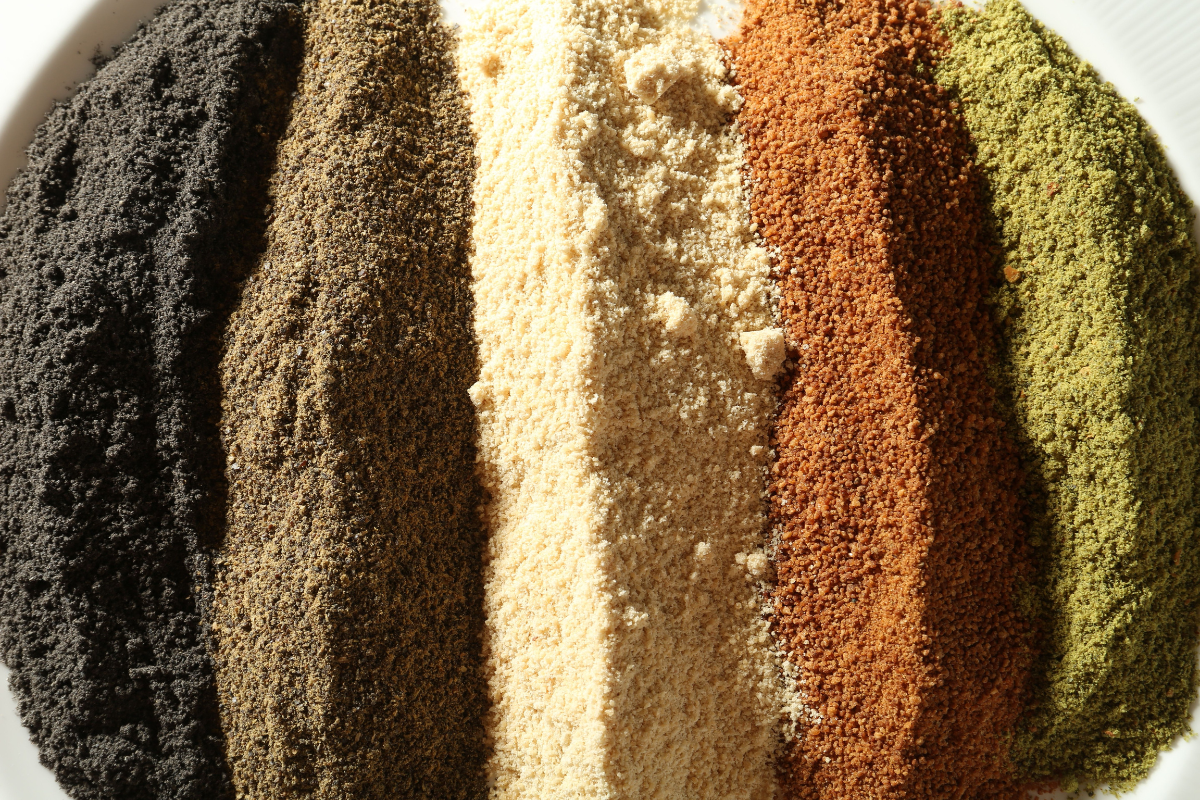
Powder refers to the dried and ground-up form of a plant or raw material. It’s minimally processed and may retain more of the natural profile of the original herb or food source.
✅ Pros: Cost-effective, good for whole-plant concepts, easier to declare as “natural.”
⚠️ Cons: Potency may vary between batches; not as concentrated.
Best for: General wellness products or traditional herbal formulations.
🟣 Extract
An extract is made by soaking the raw material in a solvent (usually water or alcohol) to isolate the active compounds. Once the solvent is removed, you’re left with a concentrated form of the plant’s beneficial components.
✅ Pros: More potent than powder; smaller doses needed.
⚠️ Cons: May lose some naturally occurring compounds during processing.
Best for: Supplements where targeted health benefits (e.g., energy, immunity, cognition) are the focus.
🟢 Standardized Extract
This is the most refined form—an extract that’s been tested and adjusted to contain a specific percentage of active compounds. It ensures consistency, which is essential for supplements making strong or clinical claims.
✅ Pros: High potency, consistency across batches, supports clinical dosing.
⚠️ Cons: Often more expensive, and sometimes perceived as “less natural” by some consumers.
Best for: Functional supplements, premium SKUs, or products that require precise efficacy.
Why This Matters for Brand Owners
If you’re working with a supplement manufacturer to launch a new formula, understanding these ingredient types helps you:
- Make smarter product decisions — by aligning ingredient types with your target market and brand positioning.
- Ensure consistency and safety — especially when dealing with high-potency herbs or nutrients.
- Build consumer trust — when your label reflects clarity, not confusion.
In a competitive market like Malaysia’s, where consumers are becoming more educated and skeptical, the form of your active ingredients can either set your product apart—or leave it on the shelf.
Check Your Labels: Are You Using the Right Forms?
As you scale your brand with an OEM supplement Malaysia partner, take a closer look at your formulations:
- Are you using generic powders where a standardized extract would deliver better results?
- Is the form of your ingredient aligned with your product claims?
- Can your supplier provide documentation or certificates on standardization levels?
These aren’t just technical details—they’re business decisions that affect cost, marketing, and long-term brand reputation.
Final Thoughts
The supplement industry is evolving fast. Consumers are asking better questions, and brand owners need to have better answers. As a supplement manufacturer, we’ve seen how small formulation decisions can make a big difference in product outcomes.
Choosing between powder, extract, or standardized extract isn’t just a matter of cost—it’s about delivering consistent value to your customers.
Stay informed. Build smart. And if you’re ready to take your formulations to the next level, make sure you’re asking the right questions—and getting the right support from your OEM partner.