
Maltodextrin in Supplements: Are Powder Supplements Really Bad?
Recently, a pharmacist influencer claimed online that powder supplements are not good because they contain maltodextrin. This statement quickly sparked concern among consumers, especially those who regularly take powder supplements, sachets, or drink mixes.
But is this claim scientifically accurate?
Let’s examine the issue using evidence-based supplement formulation principles and explain whether maltodextrin in supplements is actually something to worry about.
What Is Maltodextrin in Supplements?
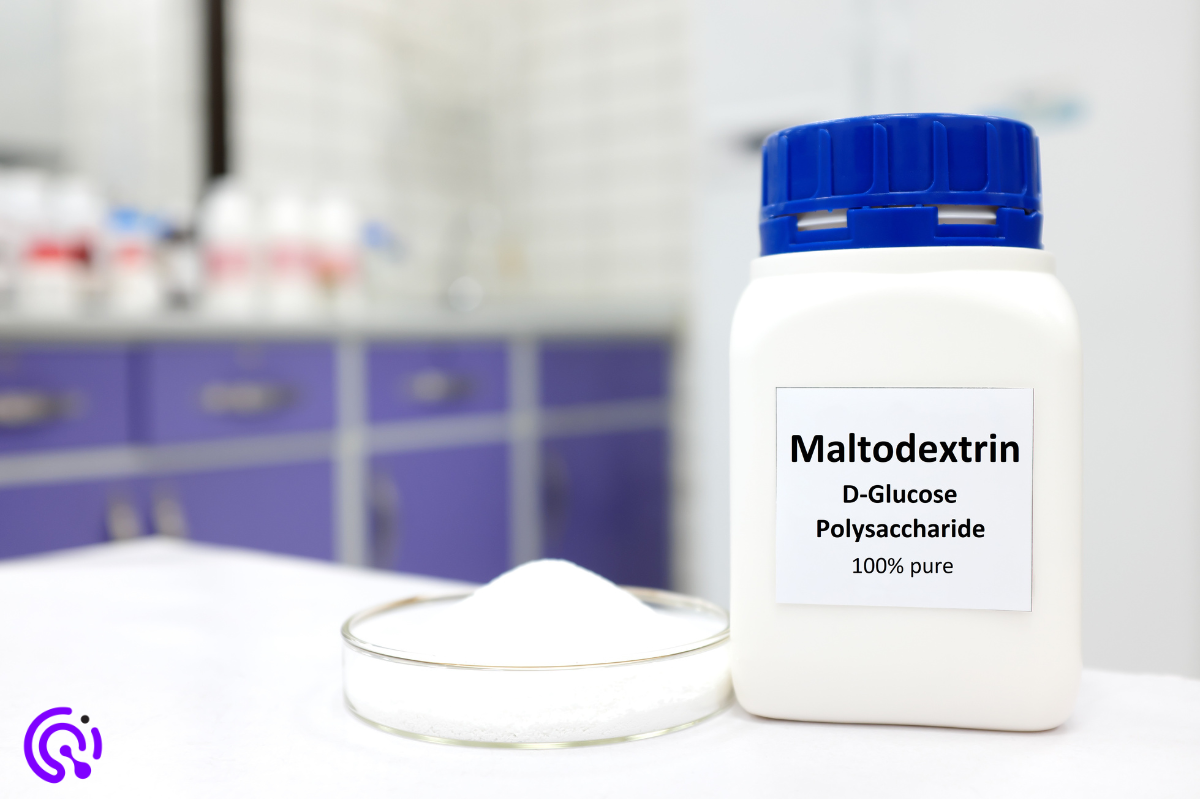
Maltodextrin is a carbohydrate derived from starch sources such as corn, tapioca, or rice. It is widely used in:
- Food products
- Medical nutrition
- Sports nutrition
- Dietary supplements (both powder and capsule supplements)
From a regulatory perspective:
- Maltodextrin is classified as Generally Recognised As Safe (GRAS)
- It is approved by authorities such as the FDA, EFSA, and NPRA Malaysia
So when consumers ask, “Is maltodextrin bad?”, the answer depends on how much is used and why it is included.
Why Do Powder Supplements Contain Maltodextrin?
In powder supplement formulation, maltodextrin is not added as a cheap filler. It serves important technical roles.
1. Carrier Ingredient for Active Nutrients
Many active ingredients—such as vitamins, minerals, and botanical extracts—are used in very small doses. Maltodextrin helps to:
- Ensure even distribution
- Prevent ingredient separation
- Deliver accurate dosing per serving
This is especially important in powder supplements, where consistency matters.
2. Improves Powder Stability and Flow
Powder supplements must remain:
- Free-flowing
- Non-clumpy
- Stable throughout shelf life
Maltodextrin improves powder stability, particularly in humid climates like Malaysia, where moisture can affect product quality.
3. Enhances Taste and Mouthfeel
Some active ingredients taste:
- Bitter
- Metallic
- Astringent
Maltodextrin helps improve mouthfeel and palatability, reducing the need for excessive sweeteners or flavouring agents.
Is Maltodextrin Bad for Health?
This is where misinformation often starts.
❌ The Oversimplified Claim:
Maltodextrin is bad, therefore powder supplements are bad.
✅ The Scientific Reality:
- Maltodextrin has a high glycaemic index
- However, the dose used in supplements is usually small
- For healthy individuals, maltodextrin safety is well established
Who Should Be More Careful?
- People with diabetes
- Individuals with insulin resistance
Even then, the concern is about overall daily intake, not the presence of maltodextrin in a single supplement.
Powder Supplements vs Capsules: Is One Better?
A common assumption is that capsule supplements are cleaner or superior. This is not always true.
👉 Capsule supplements can also contain maltodextrin, often listed as:
- Excipient
- Filler
- Carrier
The key difference is visibility, not formulation quality.
Powder Supplements Are Suitable For:
- Higher-dose nutrients (e.g. collagen, fibre, electrolytes)
- Faster absorption
- Flexible dosing
Capsule Supplements Are Suitable For:
- Low-dose actives
- Convenience and portability
- Taste-sensitive users
When comparing powder supplements vs capsules, the dosage form matters far less than ingredient quality and formulation intent.
Supplement Excipients Explained: Context Matters
Excipients like maltodextrin are functional ingredients, not shortcuts. Demonising a single excipient without understanding formulation science can create unnecessary fear.
Instead of asking:
“Does this supplement contain maltodextrin?”
Consumers should ask:
- Why is it included?
- How much is used?
- Is the active ingredient dose meaningful?
- Is the formulation transparent?
Education Over Fear
Maltodextrin is a commonly used and regulated ingredient in both food and supplements. Its presence does not automatically make a product inferior.
Powder supplements are not bad simply because they contain maltodextrin, just as capsule supplements are not automatically better.
The real markers of quality are:
- Responsible formulation
- Clinically relevant dosing
- Transparency in labelling